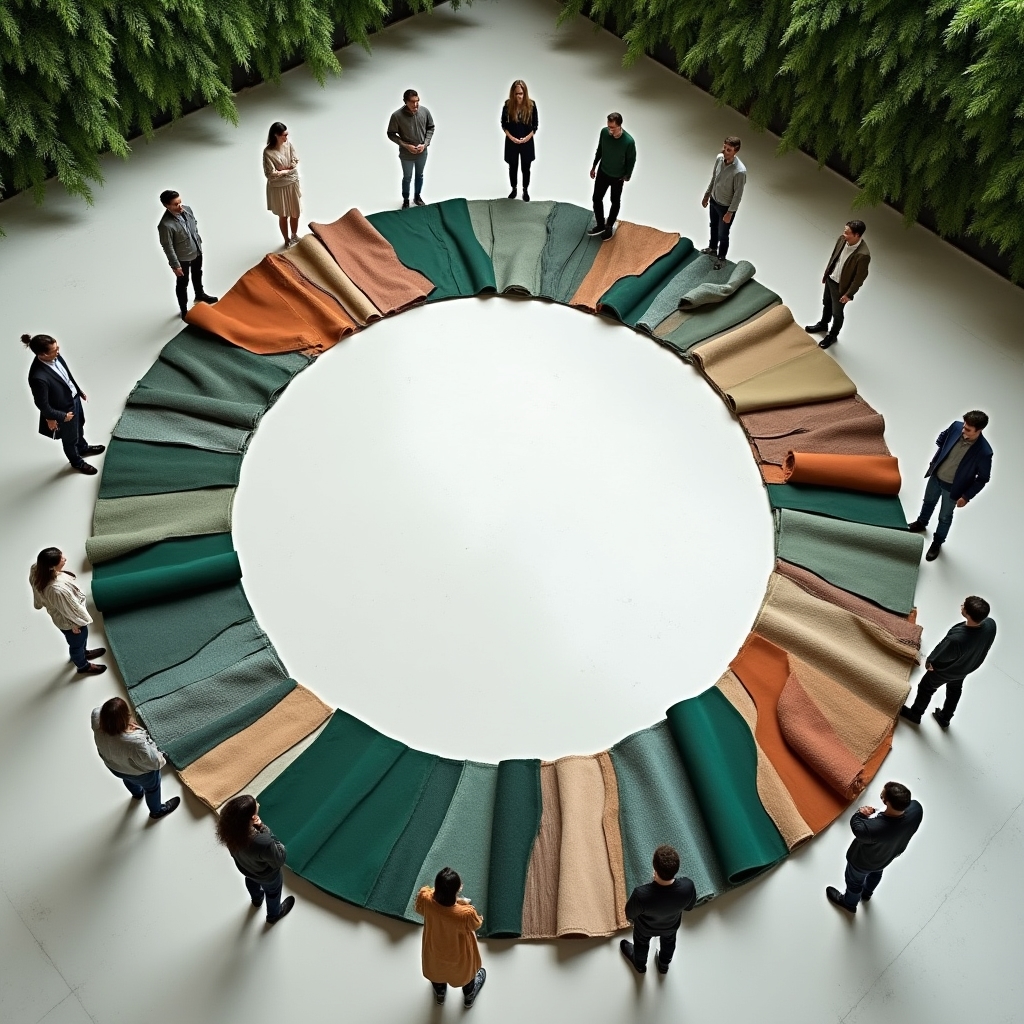

Circular economy visual
Close the loop. Open new possibilities.
Platform Solutions

Knowledge areas that move manufacturing toward circularity

Each module on the NugEye platform addresses a distinct dimension of circular economy practice — from operational waste to the language of sustainability communication.

Production line with waste reduction systems in place
01
Waste Reduction

Understanding and Reducing Production Waste

Waste in manufacturing exists across several categories — material waste, energy waste, process inefficiency, and overproduction. Each category has distinct characteristics and distinct approaches. This module introduces a structured method for identifying which types of waste are present in a given operation and how to prioritise reduction efforts.

The focus is on practical analysis rather than theoretical frameworks. Learners develop the ability to look at their own production environment with fresh eyes, recognising where value is being lost before it reaches the finished product.

Waste classification and mapping Material flow analysis Reduction prioritisation methods Measurement and tracking basics
Organised material sorting for reuse in production
02
Material Reuse

Reuse Strategies for Production Materials

Material reuse is one of the most direct expressions of circular economy thinking. Rather than treating byproducts and offcuts as waste to be disposed of, circular practice asks what secondary use those materials might serve — whether within the same operation or through exchange with other producers.

This module covers the practical dimensions of establishing reuse systems: how to identify reusable material streams, how to assess quality and safety for secondary use, and how to build the operational habits that make reuse consistent rather than occasional.


Identifying reusable byproduct streams Quality assessment for secondary use Internal and external reuse pathways Building operational reuse habits
Designer working on circular product design documentation
03
Circular Design

Designing Products for Circular Life

Product design decisions made early in the development process have long-lasting consequences for how materials can be handled at end of life. This module introduces design-for-circularity principles — how to make products easier to repair, disassemble, and recover — in terms that are applicable to small-scale production.

The approach does not require a complete redesign of existing products. It focuses instead on how to apply circular thinking incrementally, identifying which design choices have the greatest impact on material recovery potential.

Design for disassembly Material selection for circularity Repairability and longevity Incremental circular redesign
Team reviewing sustainability communication materials
04
Credible Communication

Communicating Sustainability Without Greenwashing

The challenge of sustainability communication is not simply about what to say — it is about the relationship between what is said and what has actually been done. This module provides a structured approach to evaluating sustainability claims before they are made and developing communication that is both accurate and meaningful.

Topics include the most common forms of greenwashing, the standards and frameworks that define credible environmental claims, and practical guidance on how to describe progress honestly even when that progress is partial or ongoing.

Recognising common greenwashing patterns Standards for environmental claims Substantiating claims with evidence Communicating partial progress honestly
Next Step

See how these principles look in practice

The Case Studies section documents how manufacturers in different sectors have applied circular economy principles in their operations.

View Case Studies