
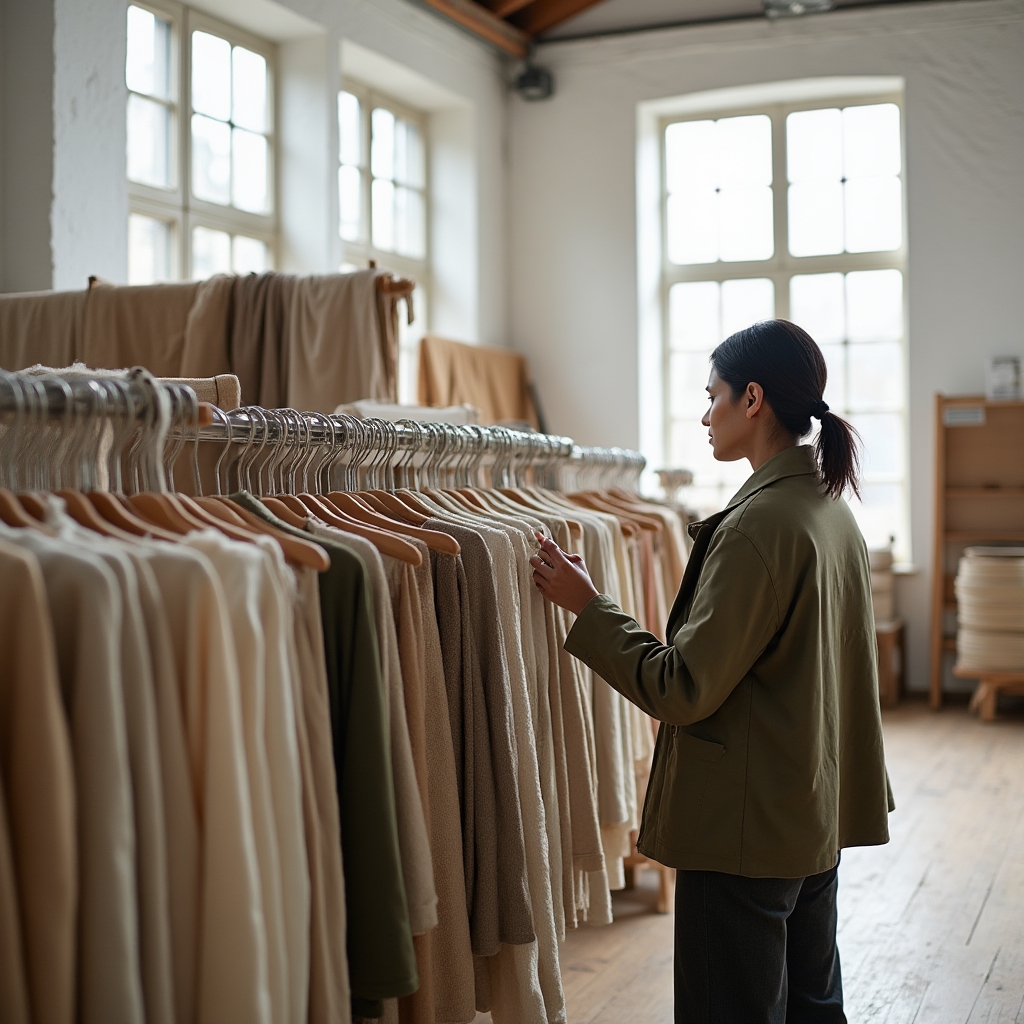
Fabric Offcuts as a Resource Stream
A small textile operation producing short-run garments found that a notable portion of fabric was leaving the production process as offcut waste destined for general disposal. The initial audit revealed that this material was not categorically unusable — it was simply not being routed toward appropriate reuse.
The approach taken involved mapping the full range of offcut dimensions and material compositions being generated, then identifying potential secondary users for each category. Smaller offcuts found a pathway through a local craft supplier network. Larger pieces were retained for internal use in sampling and prototyping, reducing the need to cut from primary fabric stock for non-production purposes.
The communication dimension of this case is equally instructive. The operation initially described itself as producing "zero fabric waste" in its customer-facing materials. Following the platform's guidance on claim precision, this was revised to accurately describe the reuse pathways in place and acknowledge the portion of offcuts still going to disposal while the network for smaller pieces was being developed.

Reclaimed Timber in Small-Batch Production
A furniture workshop began incorporating reclaimed timber into its production as a deliberate response to both material cost considerations and growing customer interest in provenance. The transition required changes to the procurement process, quality assessment procedures, and production planning — reclaimed material rarely arrives in standard dimensions.
The workshop developed a sourcing protocol that documented the origin of each reclaimed batch, enabling accurate provenance information to be passed on to customers. This documentation became the foundation of a communication approach that was specific and verifiable, describing what the timber was, where it came from, and what condition it was in when acquired.
The case illustrates a common challenge in circular communication: the temptation to frame partial adoption of circular materials as a complete transformation of the supply chain. The workshop's approach — documenting what had changed and being clear about the proportion of reclaimed versus virgin timber in each product — provided a more durable basis for customer trust.