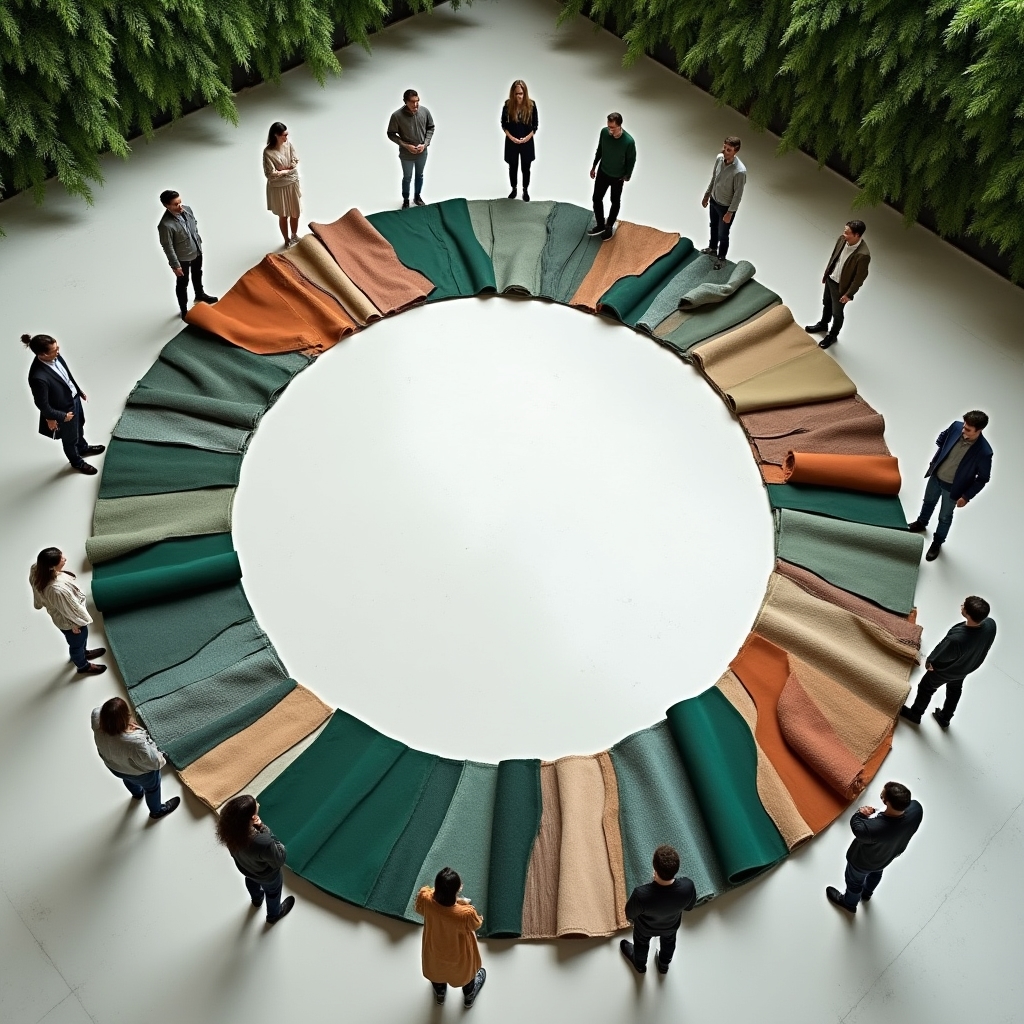
Circular economy visual
Close the loop. Open new possibilities.
Circular economy manufacturing concept
Circular Economy Education

Manufacturing
without
waste.

Small manufacturers hold real power to transform how materials move through production. NugEye provides the knowledge to act on that power — clearly, credibly, and without the noise of greenwashing.

Platform Focus Circular Economy
Scroll to explore
Why This Matters

The circular economy is not a trend. It is a structural shift.

Small manufacturers often stand closest to the materials they work with — and closest to the opportunity to change how those materials are handled. Yet the path from intention to action is rarely straightforward. Questions multiply quickly. What counts as genuine progress? How do you communicate change without overstating it? Where do you even begin?

NugEye was built to address those questions directly. The platform draws on established circular economy frameworks and translates them into practical, honest guidance for manufacturing operations at any scale.

Read the full perspective

Small manufacturer reviewing material flows in workshop
Education-first approach
Core Principles

Three foundations. Every decision flows from them.

Circular economy thinking rests on a small number of durable ideas. Understanding these ideas — not just applying them superficially — is what separates meaningful change from performance.

01

Design for Continuity

Materials that can be recovered, repaired, or returned to use after their first life. This begins at the design stage, not at the end of production.

02

Keep Value in Circulation

Waste is a design failure. When materials leave a production cycle as unusable byproduct, value has been lost. Circular thinking asks how that value can be retained.

03

Communicate with Precision

Sustainability claims carry weight. Vague or exaggerated language erodes trust quickly. Credible communication requires specificity, evidence, and honesty about limitations.

04

Regenerate Rather Than Extract

Beyond reducing harm, circular systems aim to restore natural systems. For manufacturers, this means understanding the full origin and destination of every material used.

How It Works

From first question to confident action

NugEye structures learning as a progression. Each stage builds on the last, so understanding deepens rather than accumulates without direction.

01

Map Your Material Flows

Begin by understanding what enters your production process, what leaves it, and in what condition. This audit forms the factual foundation for every subsequent decision.

02

Identify Circular Opportunities

With a clear material picture, patterns emerge. Where can byproducts become inputs? Where can product life be extended? Which supplier relationships could support take-back or reuse?

03

Implement Practical Changes

Small operational adjustments can have meaningful impact. NugEye provides structured guidance for implementing changes that fit the realities of smaller manufacturing operations.

04

Communicate What You Have Done

Accurate, verifiable communication about sustainability practices builds genuine credibility. This step covers language, evidence standards, and how to avoid the common traps of greenwashing.

What NugEye Covers

Knowledge areas built for manufacturing reality

Materials being sorted and prepared for reuse in manufacturing
Material Reuse

Reuse Strategies for Production Materials

Practical frameworks for identifying which materials in your operation have reuse potential and how to build systems that capture that potential consistently.

Explore this area
Manufacturing team discussing sustainability communication strategy
Credible Communication

Communicating Sustainability Without Greenwashing

Guidance on how to describe environmental practices accurately — what to say, what to avoid, and how to substantiate claims in a way that holds up to scrutiny.

Explore this area
Case Studies

Circular principles in practice

The platform draws on documented examples from manufacturing contexts to illustrate how circular economy principles move from concept to operational reality.

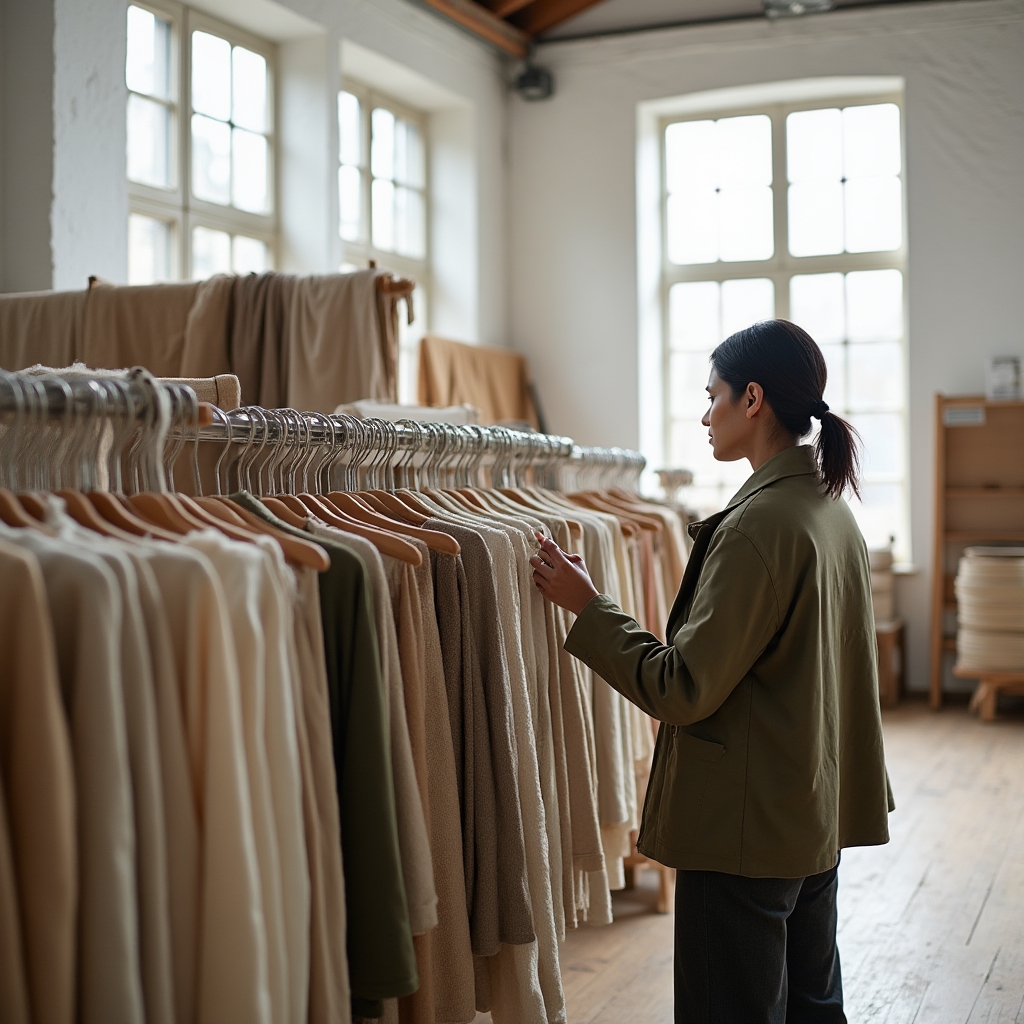
Textile manufacturer implementing circular material practices
Textile Manufacturing

Fabric Offcuts as a Resource Stream

How a small textile operation reframed production waste as a secondary material stream, reducing disposal costs while creating new material relationships with other local producers.

Read the case study
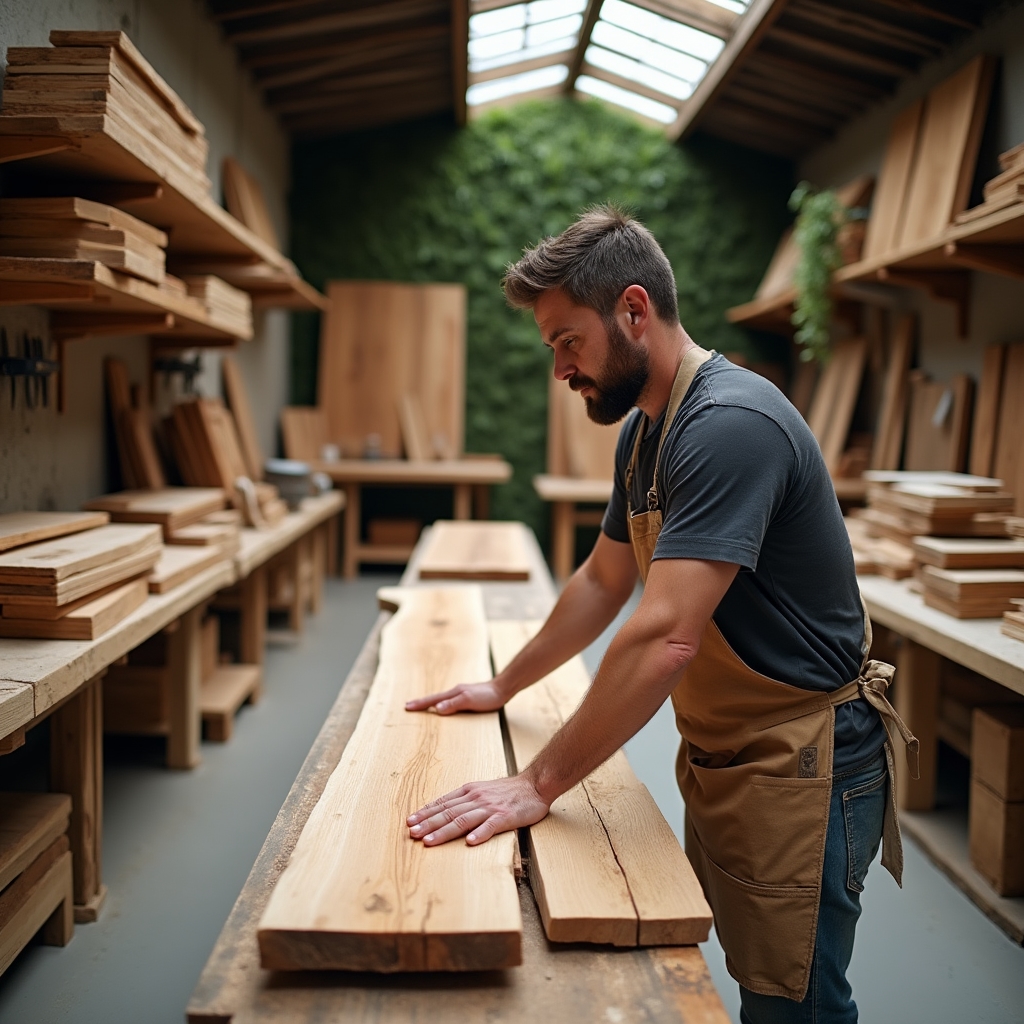
Wood workshop with reclaimed timber being processed for reuse
Wood Processing

Reclaimed Timber in Small-Batch Production

An examination of how a furniture workshop integrated reclaimed timber sourcing into its production workflow and communicated this change to customers with accuracy and clarity.

Read the case study
Start Learning

Circular economy knowledge, built for your scale

Whether you are at the very beginning of thinking about material flows or looking to sharpen how you communicate existing practices, NugEye provides a grounded starting point.

Walerego Sławka 3a, Kraków +48 535 055 110 [email protected]